
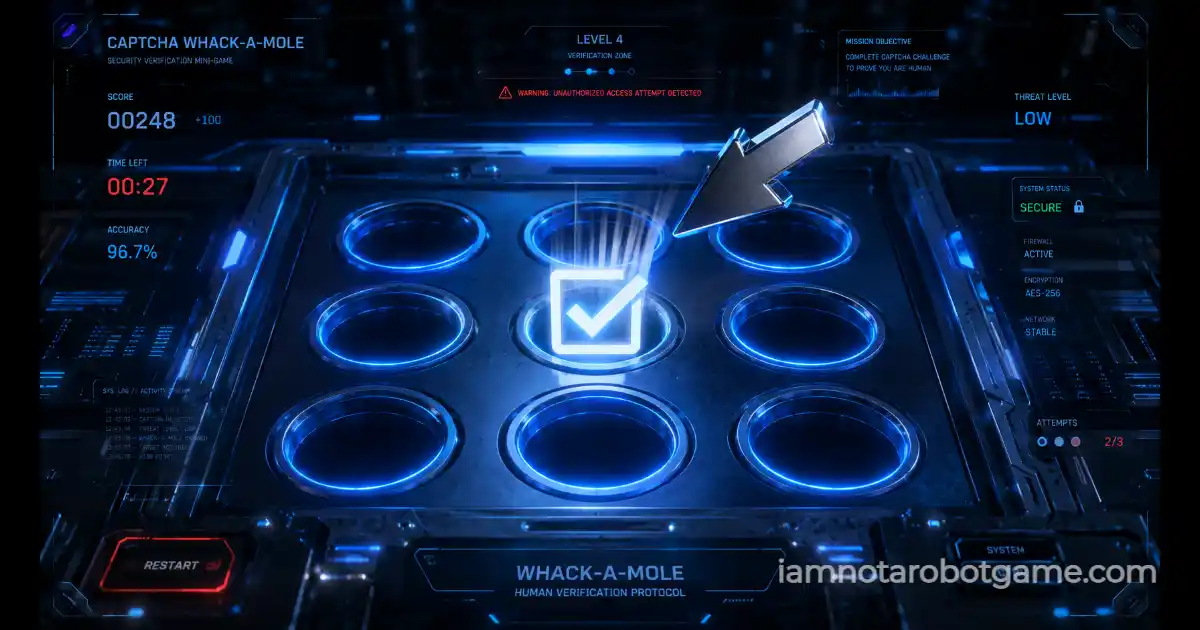
 Fig 1: The dynamic 3x3 reaction tracking matrix evaluating sub-second motor response.
Understanding Biological Reaction Testing
Welcome to Level 10: Whack-a-Mole. Traversing past the initial checkbox of Level 1: The Checkbox, the street sign segmentation of Level 2: Stop Signs, the liquid displacement of Level 3: Wiggles, the botanical sorting of Level 4: Vegetables, the spatial angular alignment of Level 5: Rotation, the Minimax stalemate of Level 6: XOXO, the character grid of Level 7: Word Search, the low-fidelity plate transcription of Level 8: License Plate, and the recursive micro-scaling of Level 9: Nested, the verification gauntlet culminates in its first major physical reflex trial. Level 10 pivots from deliberate analytical deduction to rapid biological reaction latency, challenging players to intercept volatile visual targets within sub-second exposure windows.
Step-by-Step Reaction Strategy
The challenge arena presents a three-by-three matrix of nine subterranean nodes. Instead of static checkboxes waiting for passive interaction, target checkboxes emerge unpredictably from the node recesses for an ephemeral duration of 850 milliseconds before retracting. To reach the passing threshold of five confirmed strikes without exhausting your error allowance, execute this tactical protocol:
- Maintain Central Hover Position: Rest your pointer or thumb directly over the center node (index 4) between target cycles. Keeping your cursor centered minimizes physical transit distance across the grid, reducing the travel time required to intercept targets on the perimeter.
- React to Elevation Rather Than Predicting Holes: The backend randomize routine selects new nodes with strict anti-repetition rules and variable delays between 400 and 1000 milliseconds. Attempting to anticipate spawns results in premature clicks on vacant nodes, registering immediate penalties. Wait for the white checkbox visual to break the threshold before moving.
- Strike the Checkbox Body Directly: Accurate cursor tracking is paramount. Clicking the black recessed cavity around an active target registers as an erratic miss. Ensure your pointer strikes the white checkbox tile directly to increment your score.
- Manage the Error Threshold: The verification protocol permits a maximum of two errors before resetting. Both missed targets (allowing a checkbox to submerge without contact) and inaccurate clicks on empty nodes contribute to the three-strike failure limit. Accumulating five clean strikes immediately seals verification and advances you to Level 11: Waldo.
Why Ephemeral Targets Disarm Headless Automation
Standard web scraping frameworks, robotic process automations, and headless browser scripts operate through sequential event loops and DOM querying. When assessing interactive webpage forms, bots typically query element nodes, calculate target coordinates, and dispatch click events sequentially.
Level 10 disrupts automated workflows through dynamic temporal constraints:
- Ephemeral DOM State Lifecycles: In a standard web verification, target elements remain persistently accessible within the DOM tree until submitted. In Level 10, the target elements exist in an active, interactable coordinate state for merely 850 milliseconds. By the time an external scraper detects the target's class mutation, executes network transport, and fires a remote click dispatch, the target has retracted.
- Asynchronous Interval Jitter: The interval between mole appearances incorporates dynamic random delays. Fixed-interval automated macros that poll the screen at rigid cadences fail because the emergence intervals constantly shift outside predictable polling intervals.
- Mechanical vs. Biological Latency Trajectories: When a biological human strikes a moving or sudden target, pointer telemetry displays organic acceleration curves, visual correction arcs, and natural deceleration right before contact. Bots attempting to bypass the 850ms window via hardcoded coordinate snaps emit zero-latency pointer trajectories that fail modern behavioral anomaly detection.
Kinematic Motor Curves vs. Scripted Coordinates
Rapid pointer relocation across an unpredictable nine-node grid requires coordinated sensory processing: identifying target appearance, computing velocity vectors, and executing deceleration as the cursor arrives on target.
Surviving Level 10 proves genuine biological motor reactivity. Take a brief breath, because once your reflexes are confirmed, the gauntlet transitions into the high-density crowd obfuscation trials of Level 11: Waldo.
Frequently Asked Questions
How do I beat Level 10 Whack-a-Mole?
Click "START PROTOCOL" to activate the 3x3 grid, then quickly click the white checkbox targets as they pop up out of the nine holes. You must successfully click 5 active targets before accumulating 3 misses to pass the level.
What counts as an error or miss in this challenge?
An error is logged if an active checkbox retracts into its hole before you click it, or if you click on an empty, inactive dark hole. Accumulating three total errors resets the protocol.
Can I rapidly spam clicks across all the holes to win?
No. Clicking an empty hole instantly counts as a critical miss and shakes the board. Spamming clicks will trigger three rapid errors and reset the game within seconds.
Why are targets only visible for 850 milliseconds?
The 850-millisecond window is specifically calibrated around typical human visual-motor reaction times, leaving sufficient time for biological eye-hand coordination while remaining too brief for slow or uncoordinated scraping bots.