
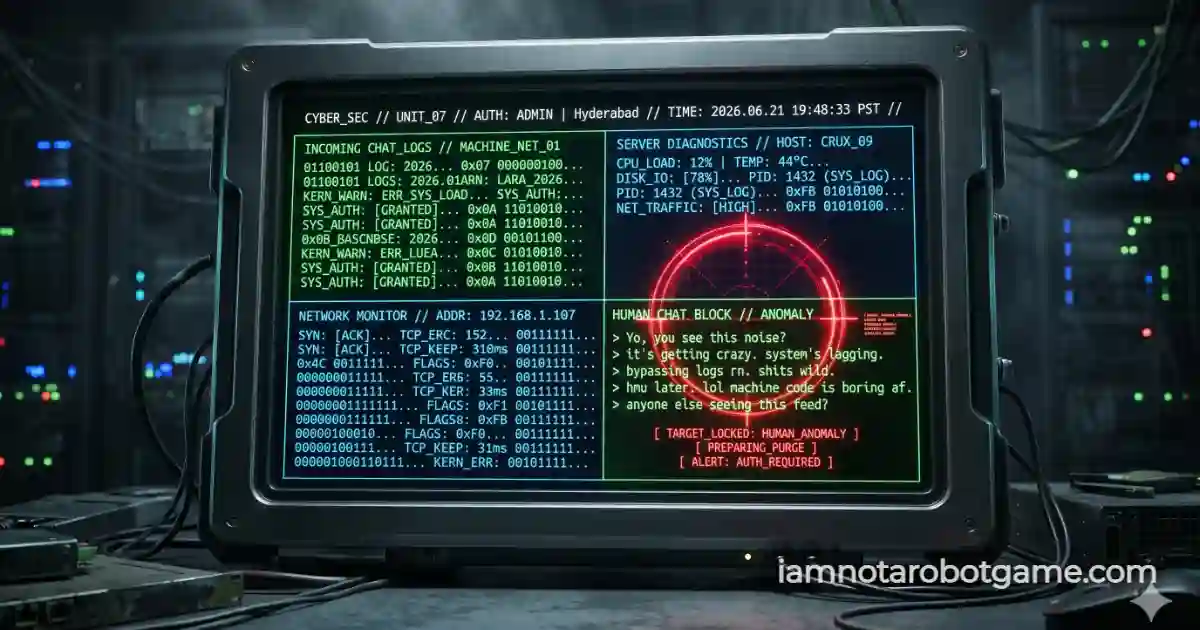
 Fig 1: The real-time 4-way surveillance chat matrix evaluating linguistic anomalies.
Understanding the Reverse Turing Test
Welcome to Level 42: Reverse Turing. You've proven your humanity in previous iterations like Level 41: Grave. However, to bypass the ultimate firewall, you must now convince the system that you are one of them. The "Reverse Turing" test puts you in the role of the security AI. Your job is to find the biological anomaly.
Step-by-Step Surveillance Strategy
You must process information rapidly as the streams continue generating text. Follow this protocol to eliminate the human intruder:
- Observe the Four Streams: Watch the four quadrants generate data simultaneously across the surveillance grid.
- Filter the Machine Noise: Ignore streams generating hexadecimal outputs, system diagnostics, or sterile status checks. Those are your fellow bots.
- Spot Subjective Behavior: Look for lowercase typing, complaints, internet slang, or expressions of emotional confusion.
- Execute the Purge: Click directly on the quadrant displaying the human behavior to eliminate them and unlock Level 43: IKEA.
Why Asynchronous DOM Injection Defeats Static Scrapers
Why is a "Find the Human" game an effective defense against bots? While Large Language Models (LLMs) can easily parse text to identify which snippet is human-generated, standard web scraping bots cannot process continuous stream dynamics.
Linguistic Analysis and Tone Differentiation
The text in Level 42 is not statically loaded into the DOM. It is generated via JavaScript setInterval loops, simulating a typewriter effect across 4 asynchronous channels. A scraper attempting to read the page source will find empty <div> tags.
Furthermore, the human and bot datasets are massive and randomized on every load, preventing simple keyword blacklists from hardcoding a solution. You must process context, intent, and tone—skills inherent to biological minds.
Frequently Asked Questions
How do I beat the Reverse Turing level?
Read the four chat logs. Three are bots printing system data. One is a human typing conversational text. Click the human text to pass.
Why is it called a Reverse Turing test?
A standard Turing test involves a human trying to figure out if they are talking to a machine. Here, you are acting as the machine, trying to detect and eliminate the human.
What happens if I click the machine logs?
Clicking a legitimate bot terminal registers as 'Friendly Fire'. The matrix flags you for faulty logic, plays an error tone, and restarts the simulation.
Is the human in the same spot every time?
No. The system randomly assigns the human transmission to one of the four quadrants and pulls from a large database of randomized phrases every time you load.