
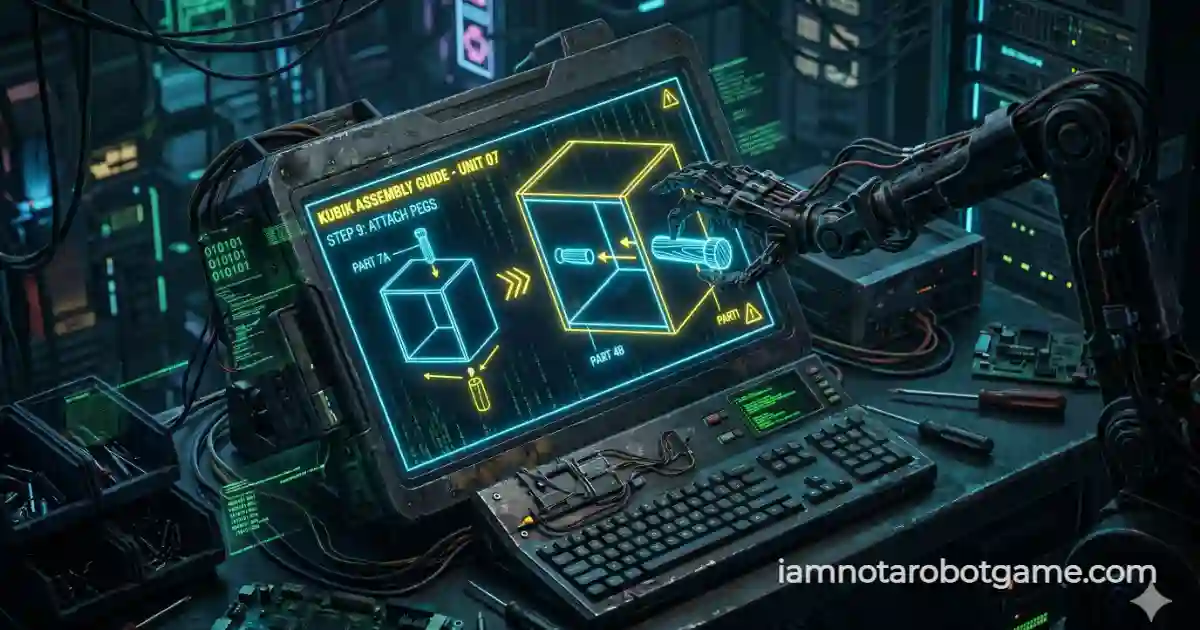
 Fig 1: The physics-based kinetic canvas assembly matrix evaluating spatial coordination.
Step-by-Step Assembly Walkthrough
Inspired by the minimalist diagrammatic manuals of Scandinavian flat-pack furniture, Level 43 replaces typical text prompts with raw spatial alignment. You are tasked with constructing the "SVÄRD" structural unit by matching dispersed geometric solids to transparent technical blueprints.
While the simulation accepts placements in any sequence, tackling the items by scale simplifies the field:
- Anchor the Main Board: Grab the large blue rectangular block. Slide it to the center-bottom slot. Positioning this major component establishes the baseline anchor for the assembly.
- Insert the Wooden Dowel: Locate the yellow cylinder resting along the outer boundary. Drag it inward to the left upright slot. Releasing it near the target triggers a mechanical snap.
- Seat the Locking Fastener: Drag the small hexagonal silver screw into the top-right receptacle to complete the module and pass verification.
Simulated Mass and Kinetic Friction
Unlike standard digital drag interactions that teleport immediately to cursor coordinates, Level 43 implements a custom linear interpolation (lerping) engine. When you grab a part, its center coordinates lag smoothly behind your input position before catching up.
This physics layer replicates the resistance of tangible material. The slight latency prevents automated click scripts from registering instant 0-millisecond coordinate transfers. Human hands naturally compensate for momentum and overshoot; synthetic scripts generate sharp linear paths that fail kinetic verification.
How Spatial Tasks Outsmart Web Bots
Most web verification routines rely on identifying labeled objects inside photographic tiles (such as crosswalks, fire hydrants, or storefronts). Because machine-learning models now solve standard photographic tagging with near-perfect accuracy, modern anti-bot research focuses heavily on spatial intuition.
Canvas Isolation vs. DOM Scraping
Every piece, blueprint outline, and drop boundary in Level 43 is rendered procedurally inside an HTML5 Canvas container. There are no individual image files or DOM elements exposing coordinate metadata in the document inspector. A client-side script cannot simply inspect the DOM tree to locate the destination points. To complete the assembly, an entity must visually parse the geometric contours and smoothly guide the objects home to unlock Level 44: Grandmaster.
Frequently Asked Questions
How do you beat the IKEA furniture level in I'm Not a Robot?
Drag the three scattered components—the blue slab, yellow dowel, and silver screw—into their matching dashed outlines in the center workspace. Each part locks in place when aligned close to its target.
Why do the pieces feel heavy when dragging?
The canvas uses kinetic physics lerping to give items weight and simulated friction. This deliberate drag latency acts as a filter against rigid bot scripts.
Does the order of piece placement matter?
No. You can snap the dowel, screw, or board in any sequence you prefer. As soon as all three components lock into their sockets, verification clears automatically.
Why is there no submit button?
The stage automatically validates completion the instant the third component docks. An audio chime plays and the result window appears without requiring manual submission.