
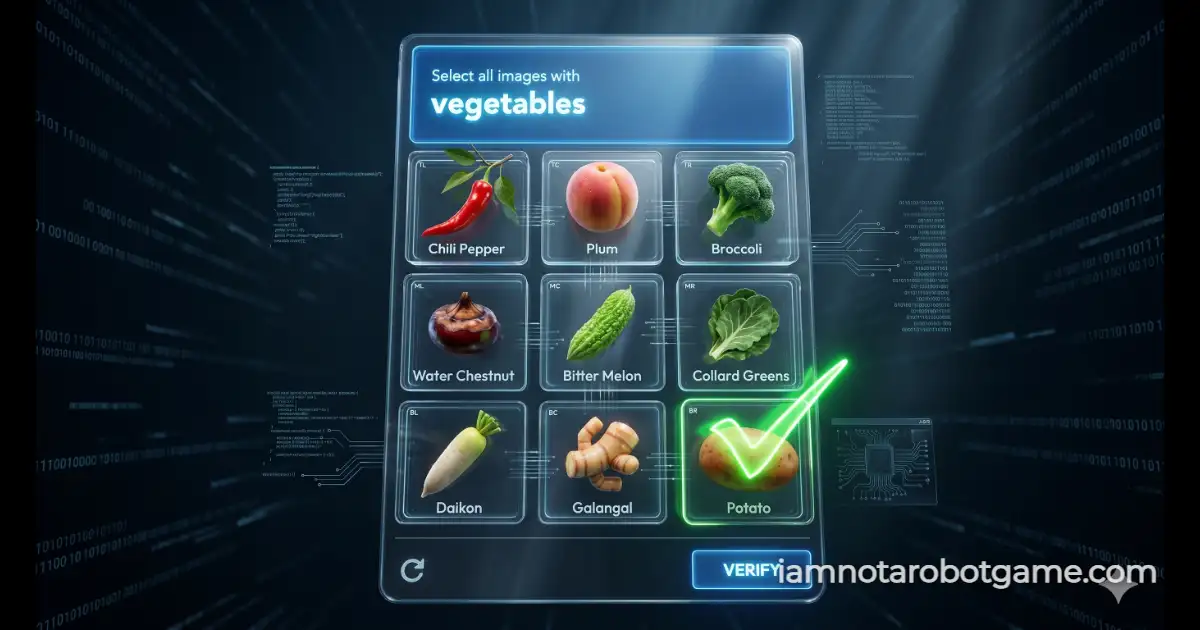
 Fig 1: The 3x3 produce matrix evaluating botanical morphology versus culinary tradition.
Understanding the Botanical Deception Matrix
Welcome to Level 4: Vegetables. After mastering the linear click of Level 1: The Checkbox, the street sign recognition of Level 2: Stop Signs, and the optical wave deciphering of Level 3: Wiggles, the security matrix pivots from sensory processing to strict semantic classification. While Level 4 presents itself as another 3x3 visual selection grid, it conceals one of the most clever traps in web verification: the irreconcilable divide between culinary tradition and scientific botanical definitions.
Step-by-Step Botanical Classification Strategy
The challenge prompt explicitly commands players to select all images with vegetables. However, casual kitchen intuition causes most humans to fail on their initial attempts by selecting botanical fruits that are traditionally cooked as savory produce. To pass the test without triggering a board reset, follow this classification blueprint:
- Identify the True Botanical Vegetables: True vegetables derive from the vegetative structures of a plant—namely roots, stems, tubers, bulbs, and leaves. In the matrix, valid selections include carrots (taproot), broccoli and cauliflower (flower buds/stems), potatoes (tubers), onions and garlic (bulbs), celery and asparagus (stems), as well as leafy greens like spinach, kale, and cabbage.
- Filter Out Deceptive Botanical Fruits: Any produce item that develops from the fertilized ovary of a flower and contains internal seeds is biologically classified as a fruit. You must never select tomatoes, eggplants, cucumbers, bell peppers, pumpkins, avocados, zucchini, squash, chili peppers, green beans, peas, or sweet corn. Clicking even one botanical fruit immediately invalidates your attempt.
- Review Selection Highlights: When you click an eligible vegetable, a blue selection outline and checkmark badge confirm the item is indexed in your submission payload. Verify that no seed-bearing items are highlighted.
- Execute Submission: Click the blue "VERIFY" button. The client-side engine validates your array against boolean flags in the 100-item master produce registry.
Why Semantic Discrepancies Expose Scripted Bots
In modern automated bot defense, semantic ambiguity serves as an effective filter against algorithmic decision trees. Automated scrapers, headless browsers, and heuristic bots rely heavily on training datasets labeled with everyday consumer terms.
- Data Labeling Conflicts: Standard computer vision datasets frequently tag tomatoes, peppers, and eggplants under the umbrella keyword "vegetable" due to common culinary association in recipe corpora. When a scraper encounters a verification model programmed strictly according to biological morphology, its classification probabilities conflict.
- Procedural Matrix Generation: Level 4 utilizes a client-side registry of 100 distinct botanical items, split evenly into 50 true vegetables and 50 botanical fruits. Each board is synthesized on the fly using a randomized Fisher-Yates shuffle algorithm. Because each round selects a randomized subset of three to five valid vegetables and four to six distractor fruits, automated tools cannot rely on hardcoded coordinates or cached grid patterns.
- Immediate Penalty Shuffling: Submitting a false-positive fruit triggers an immediate error message specifying the exact biological reason for failure, while instantly re-shuffling the grid. This eliminates brute-force automated guessing.
Plant Morphology: True Vegetables vs. Botanical Fruits
To avoid repeat failures on this stage, keep this simple rule of thumb in mind: if the food item grew from a flower and contains seeds inside, it is biologically a fruit. If you are consuming the root, stem, bulb, or leaves of the organism, it is a botanical vegetable.
Sharpen your analytical focus on this stage, because once your biological classification is confirmed, you will encounter the kinetic spatial disorientation tests awaiting you in Level 5: Rotation.
Frequently Asked Questions
How do I beat Level 4 Vegetables?
Scan the 3x3 grid and select only true botanical vegetables—items that are leaves, roots, tubers, bulbs, or stems (such as carrots, broccoli, potatoes, and onions). Do not click seed-bearing produce like tomatoes, cucumbers, or peppers. Once all true vegetables are highlighted, click "VERIFY".
Why does clicking a tomato cause an instant failure?
Biologically, tomatoes develop from the ovary of a flowering plant and contain seeds, making them true botanical fruits. The puzzle evaluates scientific botanical taxonomy rather than culinary kitchen conventions.
Are green beans and peas considered vegetables in this puzzle?
No. Pods and legumes develop from flower ovaries and house seeds for plant reproduction, placing them strictly into the botanical fruit category within this game's verification registry.
What is the purpose of the built-in Botanical Cheat Sheet?
The spoiler cheat sheet provides an exhaustive catalog of all 50 true vegetables and 50 botanical fruits programmed into the game's registry, protected by an interactive math equation to keep the hint optional for players seeking a pure test of knowledge.