
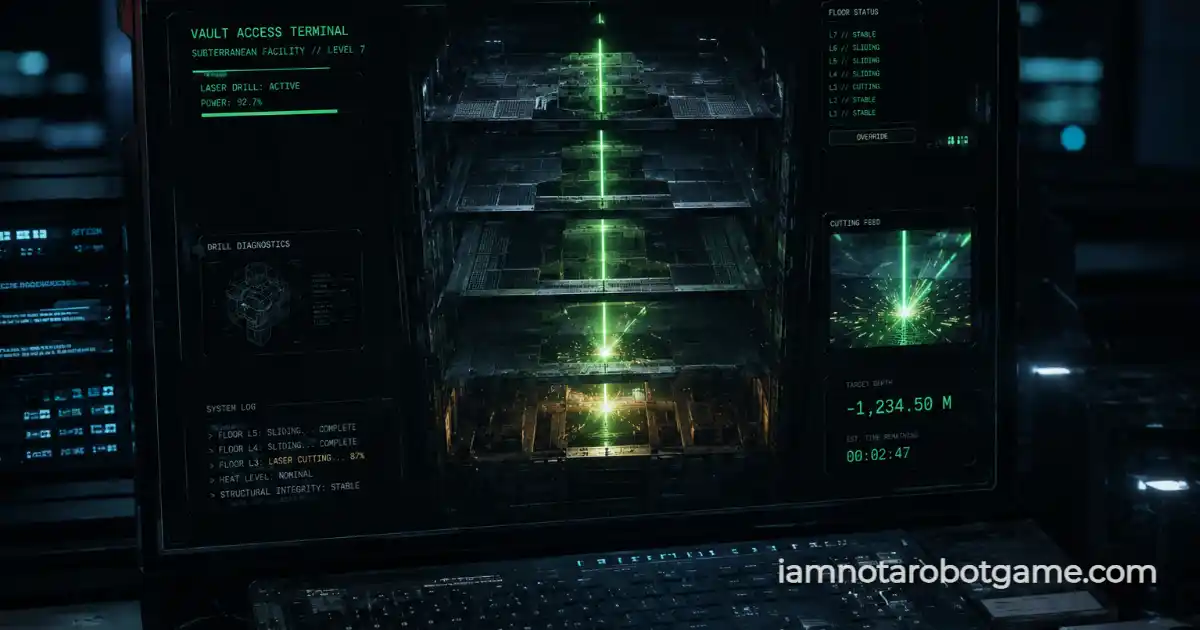
 Fig 1: The physics-based kinetic raycasting matrix evaluating spatial coordination.
Understanding Raycasting Validation
Welcome to Level 46: Floors. You survived the emotional frequencies in Level 45: Jessica. Now, the system evaluates your multi-variable spatial processing through a kinetic alignment challenge.
Step-by-Step Alignment Strategy
You control the internal structural mechanics of the data vault. Follow this protocol to thread the laser needle and breach the core:
- Identify the Emitter Goal: A high-intensity data laser fires from the top center. Your objective is to guide it into the glowing receptor at the bottom.
- Manipulate the Metal Mass: The four horizontal plates are heavy. As you click and drag them horizontally, you will feel the friction and weight in the cursor lag.
- Thread the Needle: Slide each floor so its gap lines up under the laser. The gaps get progressively narrower as you go deeper, requiring finer motor control.
- Breach the Core: When the laser finally hits the bottom receptor, the penetration bar will fill up. Hold the alignment steady to complete the Turing test and unlock Level 47: Din Don Dan.
Why Canvas Raycasting Baffles Automated DOM Scrapers
Why is aligning sliding bars so difficult for bots? Standard automated scripts can easily adjust CSS left or transform properties on DOM elements.
Kinetic Mass and Interpolated Drag Latency
However, Level 46 operates exclusively inside an HTML5 <canvas>. The laser is dynamically drawn frame-by-frame using linear raycasting logic. The script calculates collisions against mathematical gaps stored only in the internal JavaScript memory state.
Because there are no DOM nodes to inspect, a bot is functionally blind. It does not know where the gaps are, how wide they are, or even that a laser exists. By utilizing heavy interpolation (lerping), the engine demands human-like fluid motion, instantly flagging and rejecting instant coordinate snaps.
Frequently Asked Questions
How do I beat the Floors level?
You must drag the four horizontal sliding platforms left or right so that their gaps align perfectly in the center. This allows the top laser to shoot all the way down to the bottom receiver.
Why is this considered a Turing Test?
Bots rely on reading the Document Object Model (DOM) to understand where objects are. This level uses custom 2D Canvas raycasting. The laser collisions and gaps exist only as painted pixels, rendering traditional automation scripts completely blind.
Why do the floors slide so slowly?
The engine simulates high-mass kinetic friction using linear interpolation (lerping). This forces the user to employ deliberate, human-like dragging motions rather than instant teleportation of elements.