
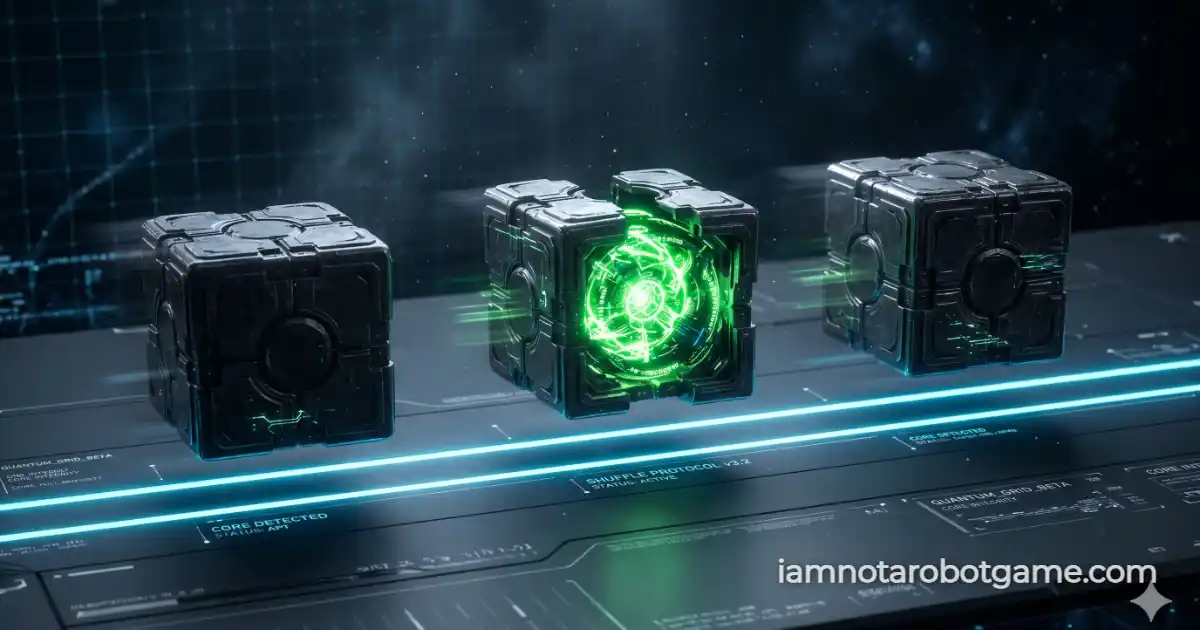
 Fig 1: The high-speed quantum visual tracking matrix evaluating continuous motion continuity.
Understanding Visual Shell Game Verification
Welcome to Level 35: Shuffle. You've conquered mathematics in Level 34: Mathematics, but now the system tests your continuous visual processing. The "Shuffle" level is a modern interpretation of the classic street hustler's shell game, designed to break DOM-reading automation scripts.
Step-by-Step Tracking Strategy
The game requires intense focus. Do not look away once the sequence begins. Follow this structured protocol to identify the target:
- Initiate the Sequence: Click the primary "START SHUFFLE" button inside the arena overlay to trigger the test.
- Identify the Target Core: At the start, one cube will briefly open to display the glowing green target. Remember which column it occupies.
- Track the Physics Swaps: The cubes will begin to swap positions rapidly. They move along mathematical arcs to prevent visual occlusion overlap. Stay focused on your single target.
- Make Your Choice: When the cubes halt and turn interactive, click the cube you believe holds the core to verify your visual processing and unlock Level 36: Not Candy Crush.
Why Dynamic CSS Kinematics Defeat DOM Scrapers
Why is a shell game an effective Turing test? Standard bots operate by reading the Document Object Model (DOM). If a bot identifies that <div id="cube2"> contains the core, it will simply wait for the animation to finish and click that exact div.
Virtual State Arrays vs HTML Identifiers
Level 35 defeats this by detaching the logical target from the DOM structure. During the shuffle, the HTML elements never actually change their structural positions; instead, a JavaScript requestAnimationFrame loop manipulates their raw CSS transform: translate properties to visually move them across the screen. To a scraping bot, the DOM appears completely static.
Only an organic human eye mapping continuous pixel translations can track the target to its final rest state. Prepare your visual memory, because the deceptive grids of Level 36: Not Candy Crush are waiting.
Frequently Asked Questions
How do I beat the Shuffle level?
Keep your eyes on the data cube that initially shows the glowing core. Follow its movements as the cubes swap, and click it when they stop.
Why do the cubes move so fast?
The speed accelerates logarithmically to test organic motion tracking. Traditional bots relying on DOM interval polling will lose track of the object.
Can a script just read the HTML to find the target?
No. The system uses a virtual state array to track the target. The HTML DOM elements are identical and hold no identifying tags or attributes to distinguish the target while closed.
What happens if I click the wrong cube?
The system will reveal the empty cube, flash red, and force you to restart the sequence with a new, randomized shuffle pattern.