
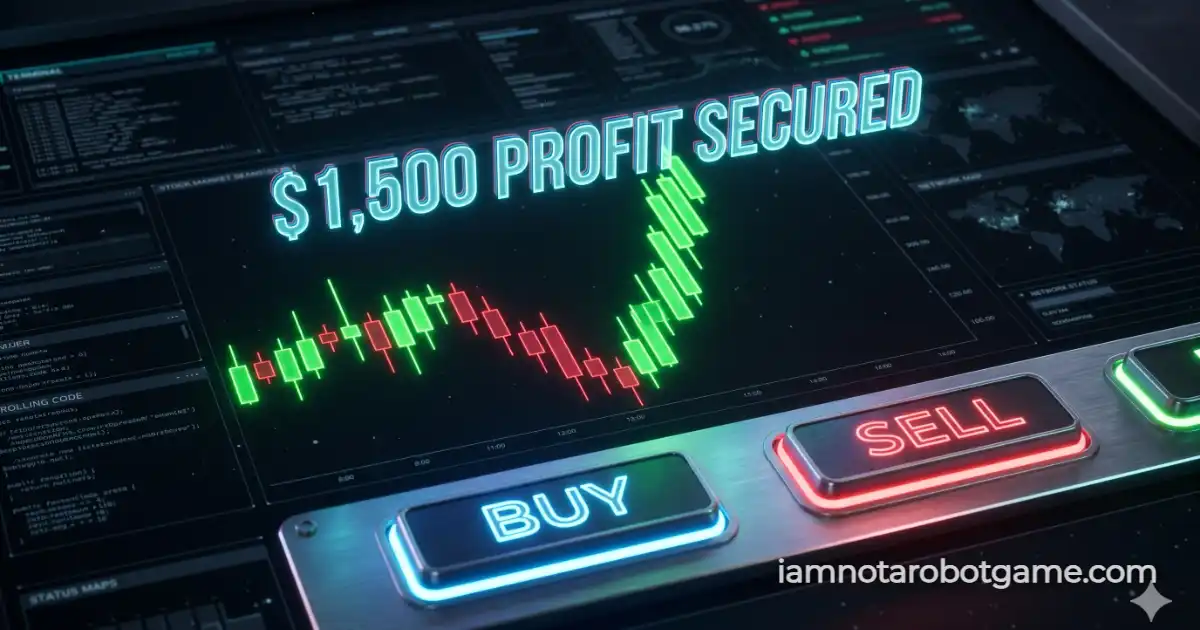
 Fig 1: The real-time behavioral market simulation matrix evaluating risk tolerance.
Understanding Behavioral Finance Testing
Welcome to Level 28: Day Trader. The matrix has tested your motor skills and spatial logic; now it evaluates your emotional psychology. "Day Trader" is a behavioral Turing test built to simulate financial risk. Bots trade on strict mathematical thresholds, but humans trade on emotion, panic, and FOMO (Fear Of Missing Out).
Step-by-Step Market Strategy
The game requires patience and precise timing. Do not buy immediately upon spawning. Follow this protocol to achieve your equity target:
- Hold the Cash on Spawn: The stock will fluctuate slightly for the first 5 seconds. Do nothing and let the initial market noise settle.
- Buy the Scripted Dip: A heavy, scripted sell-off will occur around the 6-second mark. Once the stock plummets to its bottom price, click 'BUY' to convert your cash into shares.
- Survive the Volatility: The chart will shake violently. Do not panic sell during minor dips.
- Take Profit on the Rally: A massive algorithmic rally follows the crash. Once your total equity crosses the $1,500 threshold, slam the 'SELL' button to verify your humanity and unlock Level 29: Soul.
Why Click-Interval Variance Defeats Auto-Clickers
Automated scripts rely on simple API hooks or DOM triggers to execute tasks instantly. To defeat basic bots, this level employs a Click-Interval Variance Engine.
If you attempt to use an auto-clicker to spam the buy and sell buttons to catch micro-fluctuations, the system calculates the standard deviation of your click timestamps in the background. If the variance between your clicks is less than 15 milliseconds (robotic perfection), the engine instantly flags you as a bot, locks your terminal, and liquidates your portfolio. True human interaction is messy and delayed.
Scripted Market Curves and Emotional Panic
To ensure the level is fair and beatable, the market follows a scripted behavioral curve: random noise, a terrifying crash to induce panic, followed by a massive euphoric rally.
Prepare your psyche, because the abstract morality questions of Level 29: Soul are next.
Frequently Asked Questions
How do I beat the Day Trader level?
You start with $1,000. Your goal is to reach $1,500 in total equity before the 20-second timer expires. Buy when the chart crashes, and sell when it spikes.
Is the stock market completely random?
No. To ensure the level is fair and beatable, the market follows a scripted behavioral curve: random noise, a terrifying crash to induce panic, followed by a massive euphoric rally.
Why did I fail even when I made a profit?
If you use an auto-clicker to spam the buttons, the anti-bot engine calculates the standard deviation of your click intervals. A variance of less than 15ms flags you as a robotic script.
What happens if the timer hits zero?
If your total equity is below the $1,500 target when the 20-second timer runs out, the Turing test registers a failure and resets your portfolio to zero.